

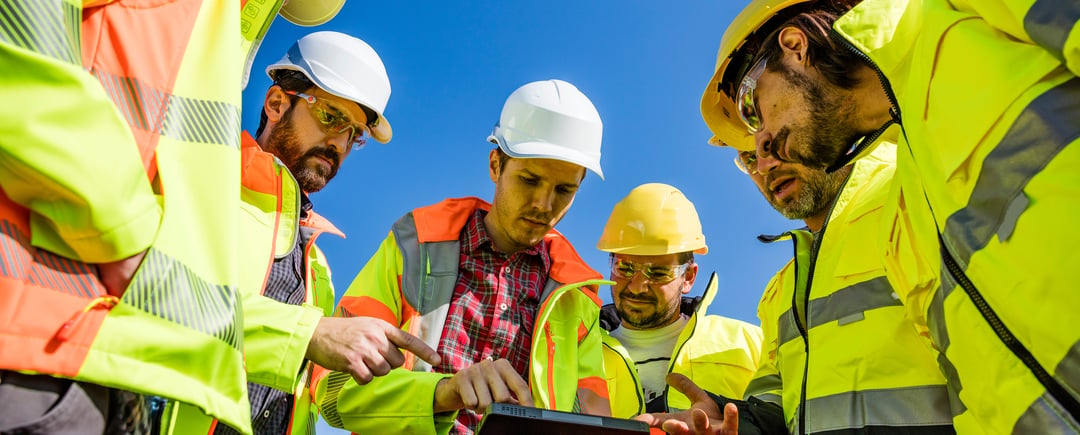
What Do You Think of When You Hear “High-Visibility Garment”?
If the first thing that comes to mind is a bright orange vest with reflective tape, you’re not far off. For years, hi-vis vests have been the standard solution for staying visible on the job— especially in utility environments—such as roadside line work and power infrastructure maintenance—where being seen is critical to staying safe.
But while vests have long been the default, they’ve often been treated as a necessary compromise rather than an ideal solution.
Can Hi-Vis Vests Be Replaced?
Today, high-visibility FR garments can replace traditional vests by combining visibility and flame resistance in a single layer. This reduces heat stress, improves comfort, and simplifies compliance—making it easier for workers to stay protected and for safety managers to ensure proper PPE use.
A More Comfortable Approach to High-Visibility PPE Clothing
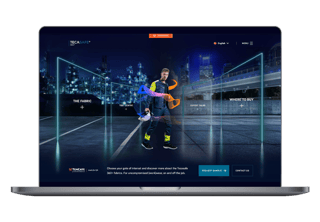
In this short video, we explain how one-layer high-visibility FR solutions reduce heat stress and improve comfort compared to traditional layered systems.
Why Hi-Vis Vests Can Create Challenges
While vests meet visibility requirements, they can introduce practical issues in real-world utility environments. In utility work, where tasks often take place near traffic, at height, or around energized equipment, these challenges can directly impact safety outcomes.
Heat Stress and Discomfort
An additional outer layer—often made from less breathable materials—can trap heat. In high-temperature conditions, this can contribute to discomfort and even heat stress, especially when worn over FR garments. If you’re working on a roadside in 100°F heat, a plasticky layer over your back can be like laboring in your own personal sauna.
Snagging and Safety Risks
Loose-fitting outer layers can catch on tools, machinery, or structures. In certain environments, this creates an additional safety concern rather than reducing risk.
Wearability and User Acceptance
Beyond irritation and potential safety risks, there’s also the matter of perception. Hi-vis vests are often seen as an add-on rather than part of the work uniform. While all high-visibility clothing must stand out, vests are frequently viewed as the least refined option—something workers tolerate rather than choose.
Compliance in Practice
When PPE clothing is uncomfortable or inconvenient, workers are less likely to wear it consistently or correctly. Even when standards are technically met, real-world compliance can suffer.
What Has Changed in High-Visibility Protection?
Advancements in protective fabrics have made it possible to combine multiple safety requirements into a single garment. This is particularly relevant for utility workers who require both flame resistance and high visibility in the same garment.
Modern high-visibility FR garments are designed to:
-
Provide flame-resistant protection
-
Improve breathability and comfort
-
Reduce the need for layering
This shift allows safety managers to move from layered compliance to integrated protection.
When Should You Move Away from Vests?
For many utility environments, it’s worth reassessing whether vests are still the best option. Consider alternative solutions when:
-
Workers experience heat stress due to layering
-
PPE clothing is worn inconsistently or incorrectly
-
Tasks involve movement where snagging is a risk
-
You are looking to simplify your PPE programs
-
Replacement and lifecycle costs are increasing
One Layer, Multiple Benefits
A one-layer hi-vis FR solution offers several advantages:
-
Improved comfort: supports proper wear and compliance
-
Reduced complexity: fewer layers to manage
-
Improved total cost of ownership: fewer garments, longer lifespan
-
Consistent protection: visibility and FR always integrated
A one-layer hi-vis FR solution means fewer trade-offs between safety, usability, and cost.
Supporting Better PPE Decisions
Choosing the right high-visibility solution is no longer just about meeting standards. It’s about selecting PPE that works in real conditions and supports consistent, correct use.
Innovations in fabric technology have made it possible to design garments that balance:
-
Visibility
-
Protection
-
Comfort
-
Durability
For example, innovative fabric platforms—such as those developed by TenCate Protective Fabrics—enable both knit and woven solutions that can be adapted to different utility work environments and wearer preferences.
Take the Next Step
If you’re evaluating whether a one-layer solution could improve your PPE clothing program, the next step is understanding how it fits your specific work environment. Request a sample or speak with a specialist to assess your current setup and explore the best options for your team.






.svg)