

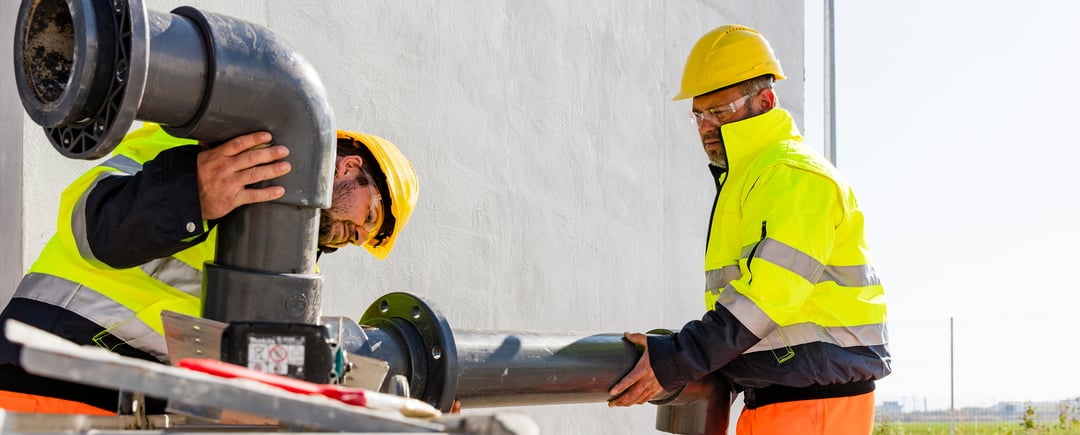
Why Does Material Choice Matter in High-Visibility FR Clothing?
The quality of high-visibility flame-resistant (FR) clothing depends on the materials used, including fabric construction, durability, and comfort. For utility workers, understanding the difference between fabric types—such as knits and twills—helps ensure the right balance between protection, wearability, and long-term performance.
Why Material Matters in Utility Environments
When it comes to safety, there can be no compromises. From materials to construction, end users rely on high-quality protective garments to keep them safe in demanding conditions.
In utility environments—where workers face both visibility risks and electrical hazards—material choice plays a critical role in ensuring consistent protection.
Recent innovations in protective fabrics now make it possible to combine high-visibility and flame-resistant protection into a single garment. This means workers no longer need to layer vests over FR clothing, simplifying PPE while maintaining compliance.
What Defines High-Quality Hi-Vis FR Clothing?
Not all high-visibility FR garments are created equal. High-quality fabrics should provide a combination of protection, durability, and comfort.
When evaluating options, look for:
-
Verified compliance with relevant standards (ANSI, FR requirements)
-
Proven durability and resistance to wear and tear
-
Comfort factors such as breathability, weight, and flexibility
-
Consistent performance after repeated industrial laundering
If a manufacturer cannot provide proof of compliance or performance, it is important to question the reliability of the product.
Comfort and Durability Both Matter
Comfort and durability are not trade-offs—they are both essential to effective protection.
More comfortable garments are more likely to be worn correctly and consistently. Factors such as breathability, fabric weight, stretch, and texture all influence wearer acceptance.
Durability is equally important. Less durable fabrics can become a safety risk if they tear or degrade, potentially compromising protection in hazardous situations. They can also increase long-term costs due to frequent replacement.
Does Lightweight, Comfortable High-Visibility PPE Really Exist?
In this short video, we explain how innovations in one-layer, high-visibility FR clothing are improving comfort and reducing the need for layered PPE clothing systems.
Knits vs Twills in High-Visibility FR Clothing
Two common fabric constructions used in high-visibility FR garments are knits and twills. Each offers different benefits depending on the work environment and application.
Knits
-
Similar to t-shirt or polo shirt material
-
Lightweight, breathable, and flexible
-
Designed for comfort and ease of movement
-
Example: Tecasafe® Plus Swiss Pique
Twills
-
Similar to button-down shirt material
-
Woven construction with more structure
-
Typically more durable and resistant to abrasion
-
Examples: Tecasafe® Plus 580 and Tecasafe® Plus 700
The right choice depends on the work environment, task intensity, and wearer preference.
What this Means for Safety Managers
Selecting the right protective fabric is not just a product decision—it’s a safety and performance decision.
This means:
-
Matching fabric type to specific job conditions
-
Balancing comfort and durability requirements
-
Ensuring garments support consistent wear and compliance
-
Considering long-term performance and lifecycle value
Understanding material differences helps ensure PPE clothing remains effective throughout its use.
Supporting Better PPE Clothing Decisions
Choosing high-quality high-visibility FR clothing is about more than meeting standards—it’s about selecting solutions that perform in real utility environments.
Protective fabric innovations—such as those developed by TenCate Protective Fabrics—enable a range of options that combine visibility, flame resistance, comfort, and durability.
This allows safety managers to select garments that align with both operational demands and worker needs.
Take the Next Step
Want to better understand what your current PPE clothing is made of and how it performs? Request a sample or speak with a specialist to evaluate the right high-visibility FR fabric solution for your utility environment.







.svg)