

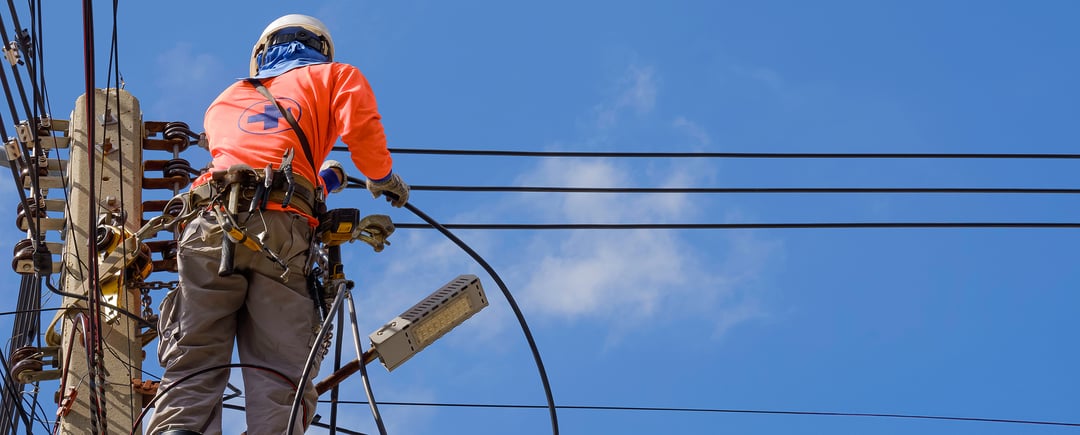
In utility environments, where workers operate near traffic, equipment, and electrical hazards, visibility is critical to staying safe.
Many high-visibility garments meet ANSI standards—but that doesn’t always mean they perform effectively in real working conditions.
For safety managers, compliance is essential. But understanding how those standards apply in daily operations is what ensures workers are truly protected.
What Does ANSI 107 Require?
ANSI/ISEA 107-2020 is the American National Standard for high-visibility PPE garments. It defines requirements that help ensure workers remain visible in low-light and high-risk environments.
High-visibility garments must include:
-
Fluorescent background material for daytime visibility
-
Reflective tape for low-light and nighttime conditions
-
Minimum coverage areas based on garment classification
Garments are divided into performance classes:
-
Class 1: Low-risk environments
-
Class 2: Moderate-risk environments (e.g. roadside work)
-
Class 3: High-risk environments with maximum visibility needs
For most utility applications—especially roadside and low-light work—Class 2 or Class 3 garments are typically required.
What ANSI Standards Do Not Cover
ANSI standards define minimum requirements—but they do not account for how PPE performs in real working conditions.
They do not address:
-
Comfort and breathability
-
Heat stress caused by layering
-
Worker behavior and PPE compliance
-
Durability over time
-
Task-specific risks in utility environments
This means a garment can be fully compliant—and still not be worn correctly or consistently.
How High-Visibility Fabrics for Utilities Work
High-visibility fabrics are made from fluorescent materials that react to ultraviolet light, creating bright colors that improve daytime visibility.
To enhance visibility in low-light conditions, reflective tape is added. This material reflects light from external sources such as vehicle headlights, making workers visible from a distance.
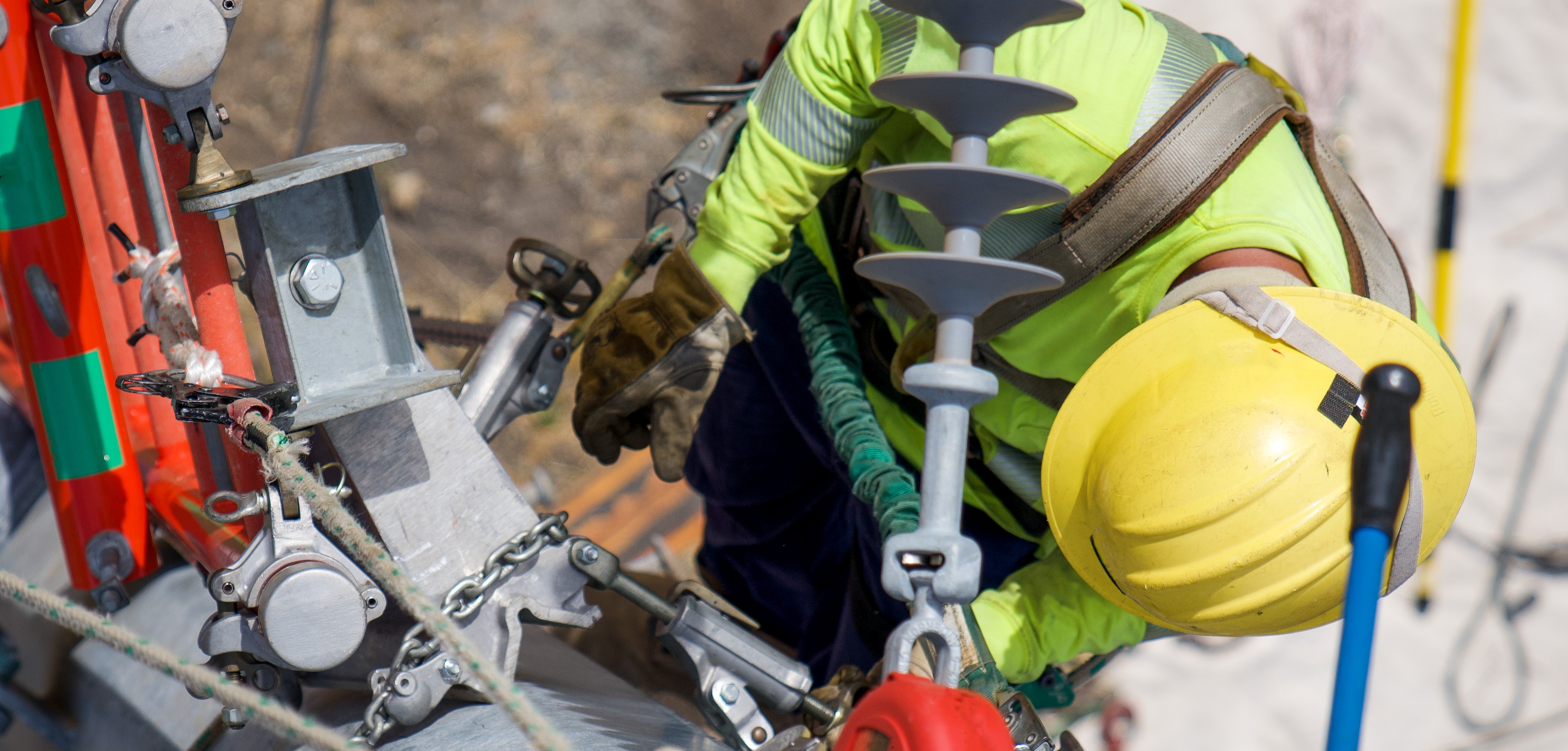
Do Hi-Vis Garments Lose Performance Over Time?
Yes—over time, high-visibility garments can lose their effectiveness. Reflective elements can degrade, and fluorescent materials can fade due to:
-
Wear and tear
-
Repeated laundering
-
Environmental exposure
Following the proper care guidelines will also help you retain maximum reflectivity for as long as possible.
Once visibility is reduced, the level of protection decreases significantly. Replacing worn or damaged garments is essential to maintain safety.
What This Means for Utility Environments
Utility work presents unique challenges that go beyond standard definitions.
Workers often operate:
-
Along active roadways
-
In changing light conditions
-
Around moving vehicles and equipment
-
In environments with electrical and arc flash hazards
This makes it critical to select PPE clothing that not only meets ANSI standards but also supports real-world use.
In many cases, this means combining:
-
High-visibility compliance
-
Flame-resistant protection
into a single, practical solution that workers can wear consistently.
What To Consider Beyond High-Visibility Compliance
Even when garments meet ANSI requirements, PPE clothing programs can fall short in practice.
Common challenges include:
-
Assuming compliance automatically equals safety
-
Relying on layered systems that reduce comfort and usability
-
Using vests over non-FR garments in FR-required environments
-
Not considering durability and garment lifespan
-
Overlooking worker acceptance and usability
Addressing these gaps is key to improving real-world safety outcomes.
How To Assess High-Visibility PPE In Practice
In this short video, we explain what to look for when evaluating high-visibility PPE clothing to ensure the right fit for your workforce.
What This Means for Safety Managers
For safety managers, compliance is the starting point—not the outcome.
Effective PPE clothing programs focus on:
-
Ensuring garments are worn correctly and consistently
-
Selecting solutions that match actual work conditions
-
Reducing complexity in PPE clothing systems
-
Supporting both visibility and flame-resistant protection
When PPE is easier to wear and better suited to the environment, it is more likely to be used correctly—improving both compliance and safety.
Take the Next Step
Looking to ensure your PPE clothing program meets both compliance requirements and real-world performance needs?
Request a sample or speak with a specialist to evaluate your current setup and identify the best high-visibility FR solutions for your utility environment.
Ready to Adopt the Latest in Hi-Vis FR Garments?
Request a sample or speak with a TenCate Protective Fabrics specialist about the latest options on the market and which ones will best meet your work safety needs.







.svg)